

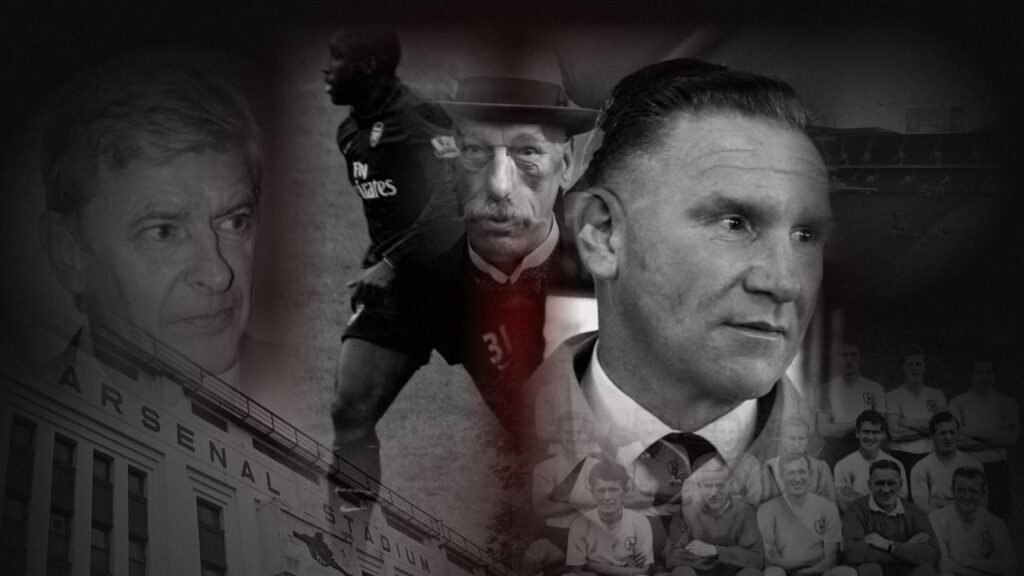
Most rivalries are born on the pitch. A bad tackle, a stolen title, a cup final that went the wrong way. The North London Derby was born in a committee room. Before Arsenal and Tottenham ever had a reason to hate each other on the grass, one of them had already been robbed, and the other had already been accused of doing the robbing.
I watch this rivalry from Madrid. I have no side in it, which is exactly why I can tell you what both sides would rather forget. Spurs fans talk about 1919 as if it happened last week. Arsenal fans roll their eyes and point at the trophy cabinet. They are both right, and that is why this derby has never cooled down.
The Club That Moved In Next Door
Arsenal were not a north London club. They started life south of the river, in Plumstead, as a works team at the Royal Arsenal, and for their first twenty-odd years they played a long way from Tottenham. By the early 1910s they were struggling for crowds and for money, and their chairman, a property developer and politician called Henry Norris, decided the club needed a bigger audience.
They had met before, of course. The first game between the two clubs was a friendly in November 1887 on Tottenham Marshes, and it was abandoned fifteen minutes early because it got too dark to see, with Spurs leading 2-1. When they finished a match for the first time, the following February in Plumstead, Tottenham turned up with only nine players and lost 6-2. Nobody at either club thought much of it. They were a long way apart, and they were not yet enemies.
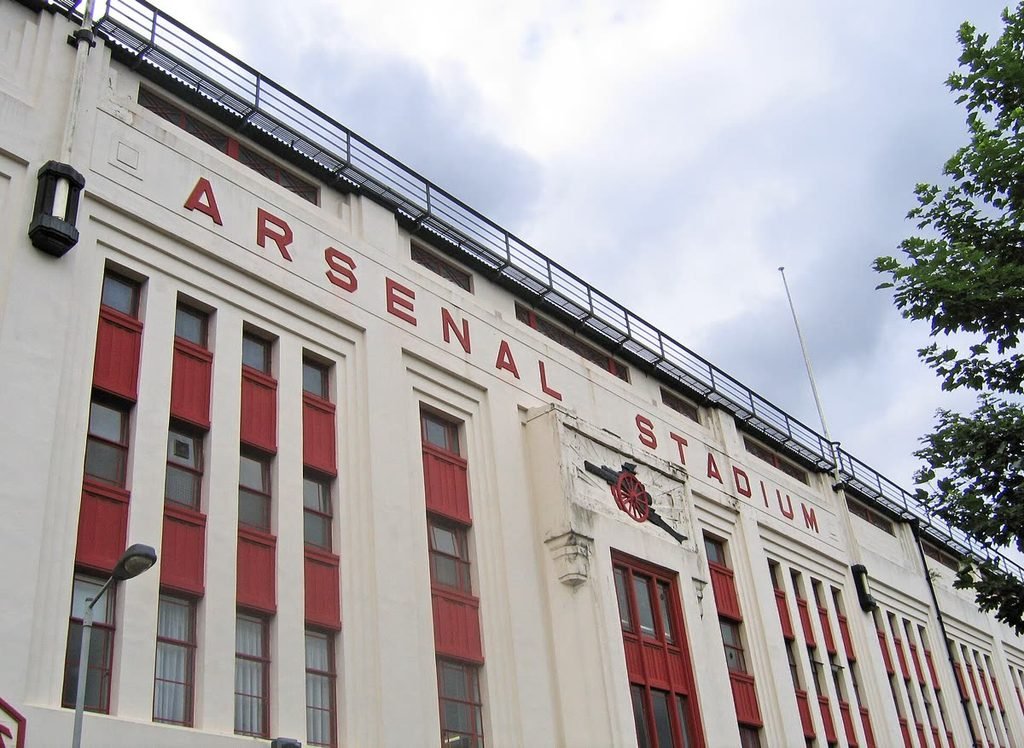
In 1913 Norris moved them across London to Highbury, about four miles from White Hart Lane. Tottenham were furious. They considered that part of north London their territory, and they said so. Clapton Orient objected too. It made no difference. Arsenal arrived, built their home, and the two clubs became neighbours who had never asked to live next to each other.
That alone would have made a rivalry. What happened six years later made it permanent.
The Vote
When football returned after the First World War, the Football League decided to expand the First Division from twenty clubs to twenty-two. Two extra places. The obvious way to fill them was to keep the two clubs who had finished bottom in 1914-15 and promote the next best sides from the Second Division.
Tottenham had finished last in the First Division in 1914-15. Arsenal had finished sixth in the Second Division, a position later corrected to fifth. Nobody sensible would have picked Arsenal for the top flight. Barnsley and Wolves had finished above them. A neutral has to be honest here: the clubs with the strongest case were Barnsley and Wolves, not Tottenham, who had finished bottom. But Barnsley and Wolves did not have to watch Arsenal move in down the road. Tottenham did, and that is why the grievance became theirs.
Chelsea, who had finished just above Tottenham, were kept up, and their story had its own scandal inside it. They had only dropped into the relegation places because Manchester United and Liverpool players had fixed a match on Good Friday 1915, handing United the two points that kept them one point clear of Chelsea. When the League expanded, Chelsea were elected back into the First Division. The final place went to a vote of the League clubs. The League’s president, John McKenna, stood up and backed Arsenal, on the grounds that they had been members of the League for longer. The clubs voted. Arsenal got eighteen votes. Tottenham got eight. Barnsley five, Wolves four, Nottingham Forest three, Birmingham two, Hull one.
Arsenal were in the First Division. Tottenham were out of it. And Arsenal have never been relegated since.
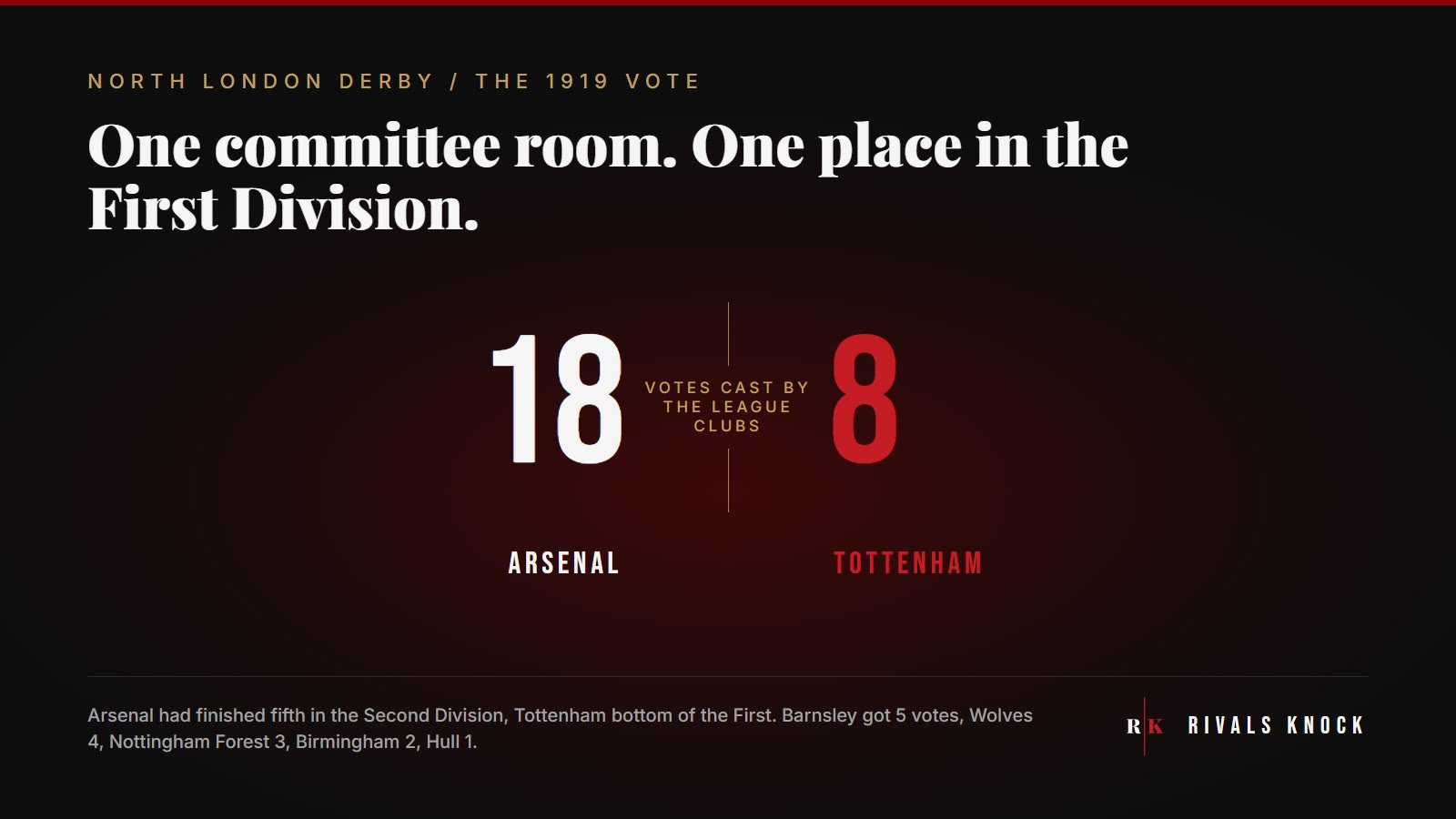
Tottenham finished bottom and lost a vote. Arsenal finished fifth and won it with a speech. North London has been arguing about it for over a hundred years.
The Man Nobody Trusted
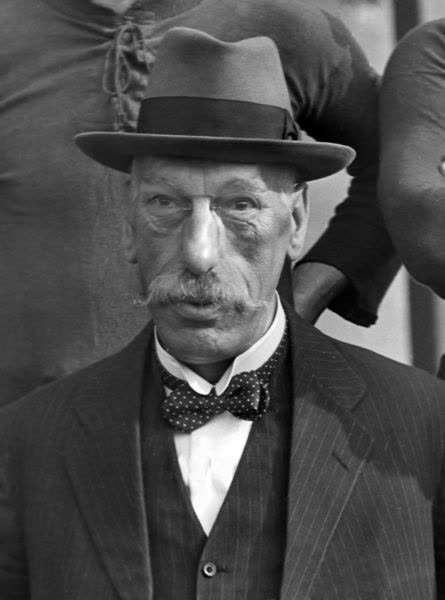
The reason 1919 still burns is Henry Norris. He was a powerful, well-connected man, and the story in Tottenham has always been that he bought or bargained the votes he needed. It has never been proven. No document, no confession, no smoking gun. McKenna’s argument about long membership was real, even if it was convenient.
But Norris did not help his own case. In 1927 the Football Association found that he had made illegal payments to players and misused club money, including pocketing the proceeds from the sale of the reserve team bus. He was banned from football for life. He sued, and in 1929 he lost.
So when a Spurs fan tells you Arsenal cheated their way into the First Division, understand where it comes from. Nobody can prove the vote was bought. Everybody knows the man in charge was later caught breaking the rules. That is the kind of doubt a rivalry can live on forever.
Spurs Answer Back
Tottenham did not stay down for long. They won the Second Division at the first attempt in 1919-20 with seventy points, a record at the time, and a year later won the FA Cup, beating Wolves in the final. Forty years on, they rose again, and this time with style. In 1960-61, under Bill Nicholson, Spurs won the league and the FA Cup together. It was the first Double of the twentieth century, and it came with the kind of attacking football that became the club’s whole personality. Tottenham would not just win. They would win beautifully. The Glory Game.
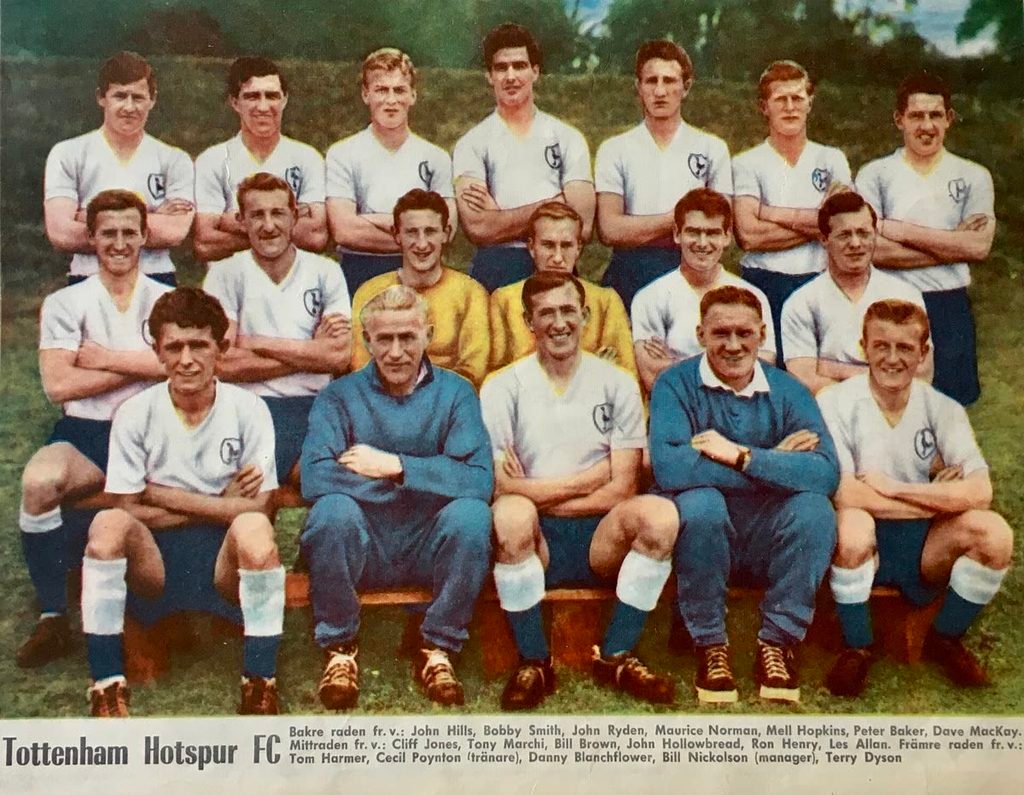
For a while, north London belonged to them. Arsenal fans still had their history. Spurs fans had the present, and the better football.
Winning It in Their House
Arsenal’s answer was cruel in its timing. In May 1971, needing a result on the last night of the season, they went to White Hart Lane and won 1-0 to clinch the league title. Days later they beat Liverpool in the FA Cup final and had their own Double, matching Tottenham’s, and the first half of it had been won on Tottenham’s own pitch.
Then they did it again. In April 2004, Arsène Wenger’s side needed a point at White Hart Lane to become champions. They drew 2-2 and lifted the title in front of the Spurs fans. It was the season of the Invincibles, thirty-eight league games without a defeat, and the most painful part for Tottenham was the address where it was sealed.
In between came the betrayal. In 2001, Sol Campbell, Tottenham’s captain, walked out at the end of his contract and signed for Arsenal on a free transfer. Spurs had nothing to show for him, and Arsenal had a defender who would win two league titles and three FA Cups. At White Hart Lane he was never called by his name again. Just Judas.
St Totteringham’s Day
Arsenal fans invented a holiday for this rivalry. St Totteringham’s Day is the day in the season when it becomes mathematically impossible for Tottenham to finish above Arsenal. From the mid-1990s it came every single year, twenty-one seasons in a row, almost all of them under Arsène Wenger. For a generation of Arsenal fans, finishing above Spurs was not an ambition. It was the weather.
Tottenham had their small revenges. In May 2006 they needed only to match Arsenal’s result on the final day to take fourth place and a Champions League spot. The night before, several Spurs players fell ill after eating lasagne at their team hotel. They lost 2-1 at West Ham, Arsenal beat Wigan, and the fourth place went to Highbury. Lasagne-gate still makes Tottenham fans wince.
In January 2008 Spurs finally got a night to remember, beating Arsenal 5-1 in a League Cup semi-final and going on to win the trophy. And in 2016-17, they finally finished above Arsenal in the league, ending the twenty-one-year run. St Totteringham’s Day was cancelled. For a while it looked like the balance of north London had changed for good.
Where the North London Derby Stands Now
It had not. In May 2025, Tottenham beat Manchester United 1-0 in the Europa League final in Bilbao and won their first major trophy in seventeen years. It was a real night, and they deserved every minute of it. But a year later, the map of north London looked more lopsided than ever.
In 2025-26, Arsenal won the Premier League for the first time in twenty-two years, finishing with eighty-five points. Tottenham finished seventeenth and only just stayed up. St Totteringham’s Day came on the first of March, the earliest it has ever been celebrated.
A hundred and seven years after the vote that put them there, Arsenal were champions of England. Tottenham were looking nervously at the division below. If you believe in ghosts, 1919 had just walked back into the room.
The Verdict
Ask an outsider who respects both sides, and the answer comes in two parts.
On the evidence, north London is red. Arsenal have the titles, the unbeaten season and the habit of winning at White Hart Lane when it hurts most. Nobody can argue with the scoreboard.
But Tottenham own the better story, and stories last longer than trophies. They were wronged in 1919, or at least they have every reason to feel they were. They gave English football its first modern Double and some of its most beautiful teams. And they have spent a century refusing to accept the order of things. That refusal is what makes this a rivalry and not just a record.
Arsenal won the vote. Tottenham never accepted the result. That is north London in two sentences.
Your turn. Pick your side.
Sources: Wikipedia (North London derby), The Arsenal Collection, Sky Sports, ESPN, UEFA, NBC Sports. Facts checked 30 September 2026.
The debate
No arguments yet. Start one.
Argue hard, respect the other side. Attack the argument, never the person. Comments that cross that line get removed.